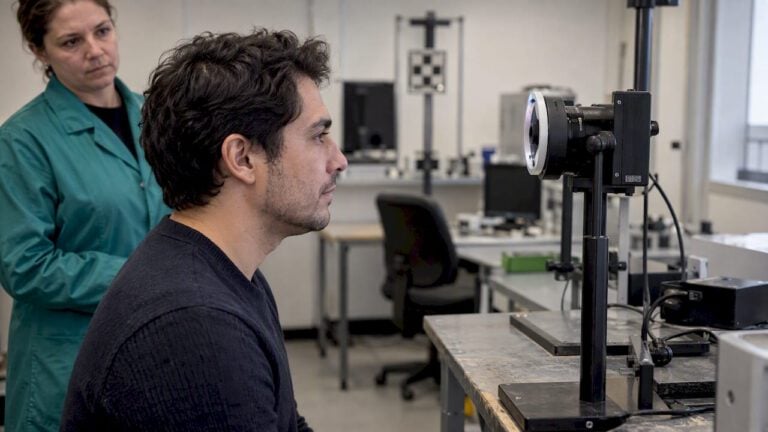

Onboarding Bot Detection: Stopping Automated Account Fraud
How onboarding bot detection works, which behavioral, device and identity signals matter, and how to tune thresholds so real customers are not blocked.

Biometric Performance Metrics: What to Measure and Trust
FAR, FRR, FMR, FNMR, EER, FTE and FTA explained, plus how to read thresholds, DET curves and lab results before you buy or tune a biometric system.
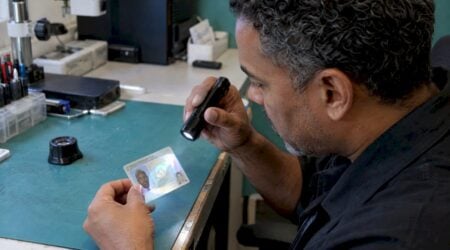
ID Security Features: What Each One Does and How to Check It
A practical guide to ID security features: holograms, laser engraving, polycarbonate, barcodes and mobile IDs, and how fraud teams should verify each one.

Face Liveness Detection: How It Works and Where It Fails
How face liveness detection works, passive versus active checks, why injection attacks defeat camera-only analysis, and how to test and tune it before launch.

FRVT Results Analysis: How to Read NIST Face Test Data
How to read NIST FRVT and FRTE results: FNMR, FMR, demographic differentials, version matching and liveness limits, for fraud teams buying face biometrics.

Identity Orchestration Platforms: A Buyer's Guide for Fraud Teams
How identity orchestration platforms work, where they fail, and how fraud leaders should evaluate them against NIST 800-63-4, liveness and identity graph risks.










Onboarding Bot Detection: Stopping Automated Account Fraud
How onboarding bot detection works, which behavioral, device and identity signals matter, and how to tune thresholds so real customers are not blocked.

Read an ePassport's NFC Chip: A Scan Can't Prove Who Holds It
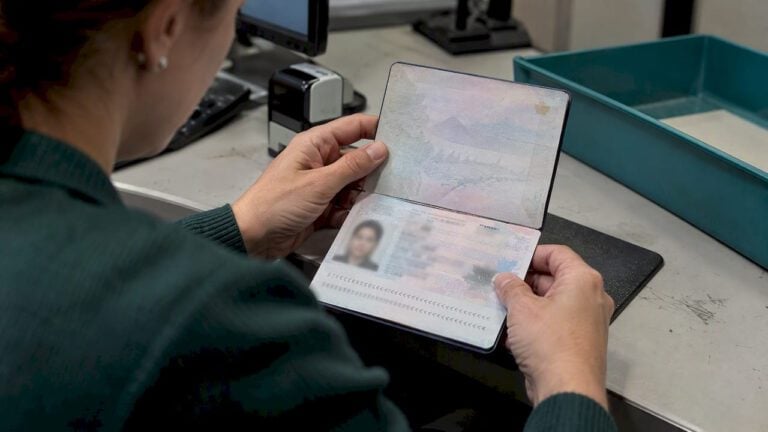
Meet NIST 0.1 DFAR/DFRR with MRZ Verification for Compliance Teams
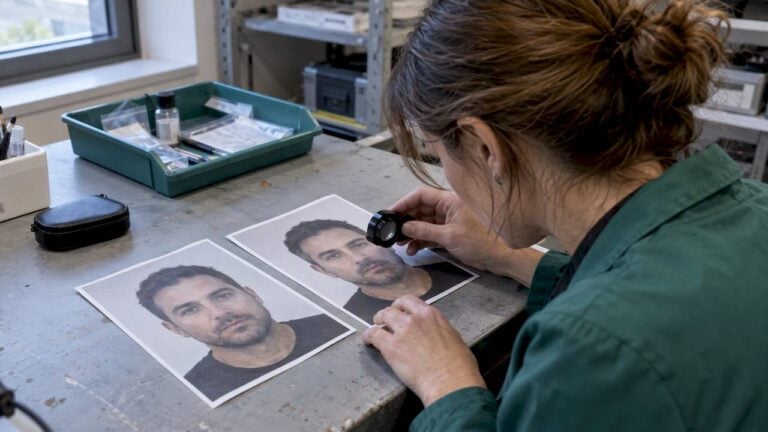
Face Morphing Detection for Security Teams: NIST Aligned Checklist

Pass Examiners: 4 Red Flags Rule Program Controls Regulators Want
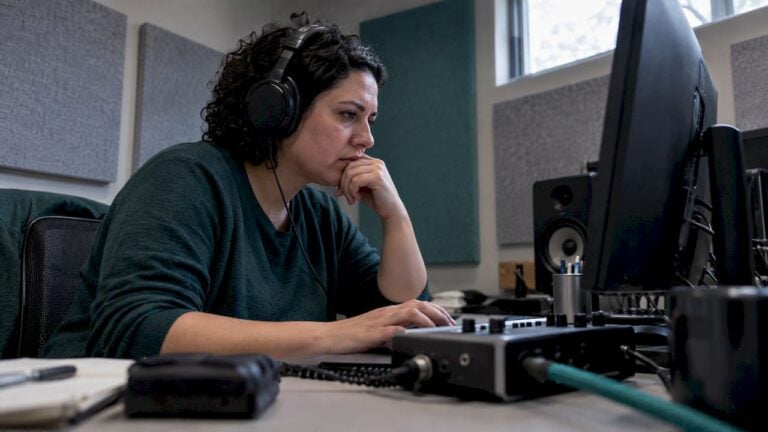
Build a Three Stage Voice Cloning Detection Program for Security Teams