
- Show All
- AI & Fraud
- Authentication
- Banking & Fintech
- Biometrics
- Compliance
- Consumer Fraud
- Deepfakes
- ekyc
- Healthcare
- Identity Fraud
- identity verification
- Industries
- Research
- Travel

ID Security Features: What Each One Does and How to Check It
A practical guide to ID security features: holograms, laser engraving, polycarbonate, barcodes and mobile IDs, and how fraud teams should verify each one.
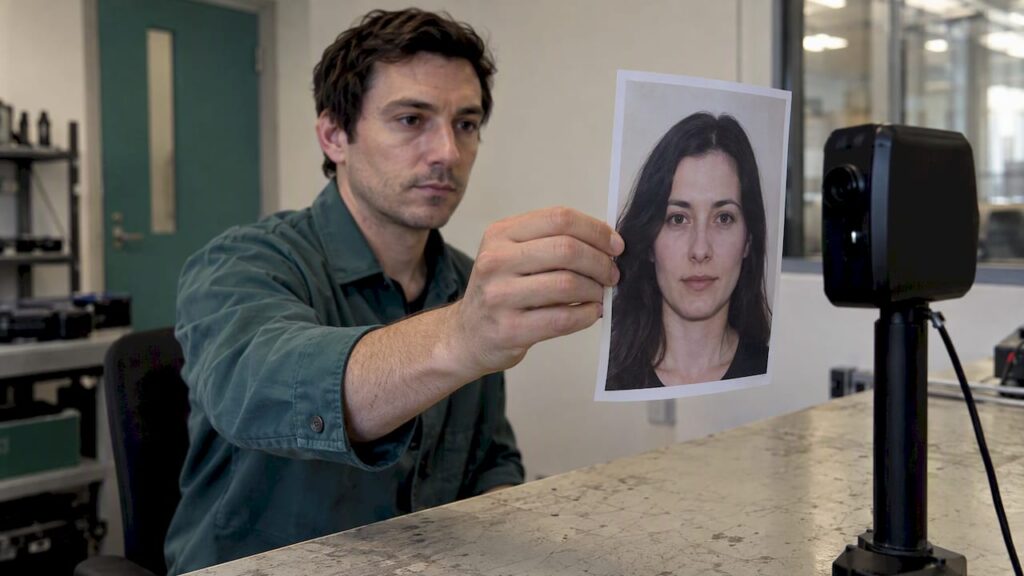
Face Liveness Detection: How It Works and Where It Fails
How face liveness detection works, passive versus active checks, why injection attacks defeat camera-only analysis, and how to test and tune it before launch.

FRVT Results Analysis: How to Read NIST Face Test Data
How to read NIST FRVT and FRTE results: FNMR, FMR, demographic differentials, version matching and liveness limits, for fraud teams buying face biometrics.

Identity Orchestration Platforms: A Buyer's Guide for Fraud Teams
How identity orchestration platforms work, where they fail, and how fraud leaders should evaluate them against NIST 800-63-4, liveness and identity graph risks.

Eye Tracking Authentication: Where It Holds Up and Where It Fails
Eye tracking authentication explained for fraud and identity leaders: how gaze biometrics work, why variability limits them, and how liveness and injection controls fit.
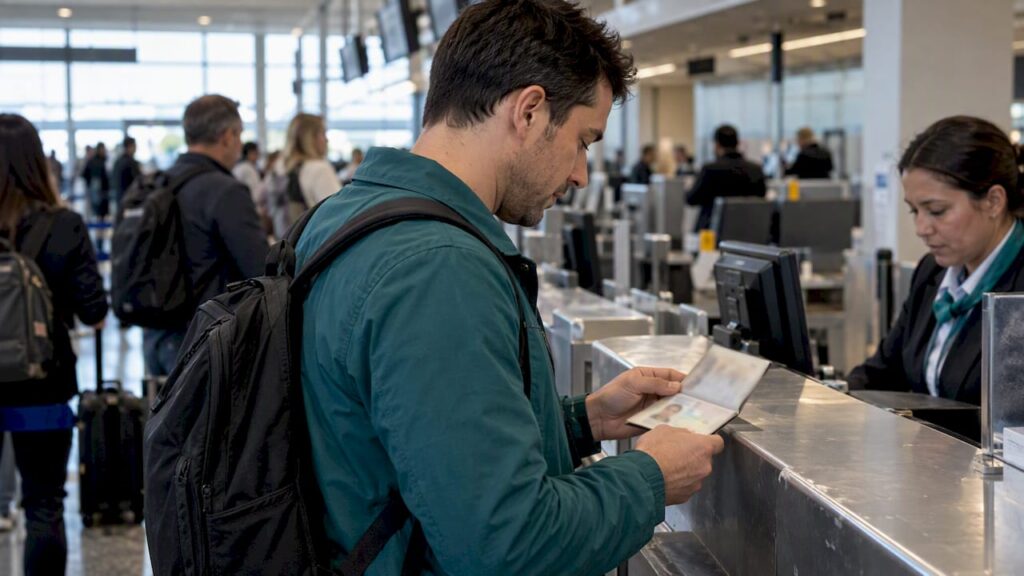
Travel Document Verification: Catch Visa Errors Before Boarding
Check passport validity, visas, and flight details with your airline or Timatic before departure. Confirm official entry rules to avoid denied boarding.