

Document Capture Guidance: Prep, Image Quality, Controls
Document capture guidance for U.S. teams: how to prepare documents, set image quality, index records, meet CIP retention rules and catch altered IDs.

Selfie Verification UX: Design Choices That Cut Fraud and Drop-Off
How to design selfie verification so real users finish and attackers fail: capture flow, liveness choices, failure handling, accessibility and U.S. privacy duties.

Onboarding Bot Detection: Stopping Automated Account Fraud
How onboarding bot detection works, which behavioral, device and identity signals matter, and how to tune thresholds so real customers are not blocked.

Biometric Performance Metrics: What to Measure and Trust
FAR, FRR, FMR, FNMR, EER, FTE and FTA explained, plus how to read thresholds, DET curves and lab results before you buy or tune a biometric system.

ID Security Features: What Each One Does and How to Check It
A practical guide to ID security features: holograms, laser engraving, polycarbonate, barcodes and mobile IDs, and how fraud teams should verify each one.

Face Liveness Detection: How It Works and Where It Fails
How face liveness detection works, passive versus active checks, why injection attacks defeat camera-only analysis, and how to test and tune it before launch.









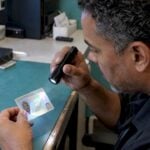

Document Capture Guidance: Prep, Image Quality, Controls
Document capture guidance for U.S. teams: how to prepare documents, set image quality, index records, meet CIP retention rules and catch altered IDs.

Push Payment Fraud Prevention Steps for Businesses

5 Signs Your Identity Verification Stack Was Built for 2019, Not 2026

5 Authentication Methods Banks Are Still Using That Fraudsters Figured Out Years Ago

Zero-Knowledge Age Verification: Can It Scale Beyond Gaming Into Financial Services?

Identity Continuity and the Digital Wallet: What Happens to the Verified Record When Credentials Move?
